
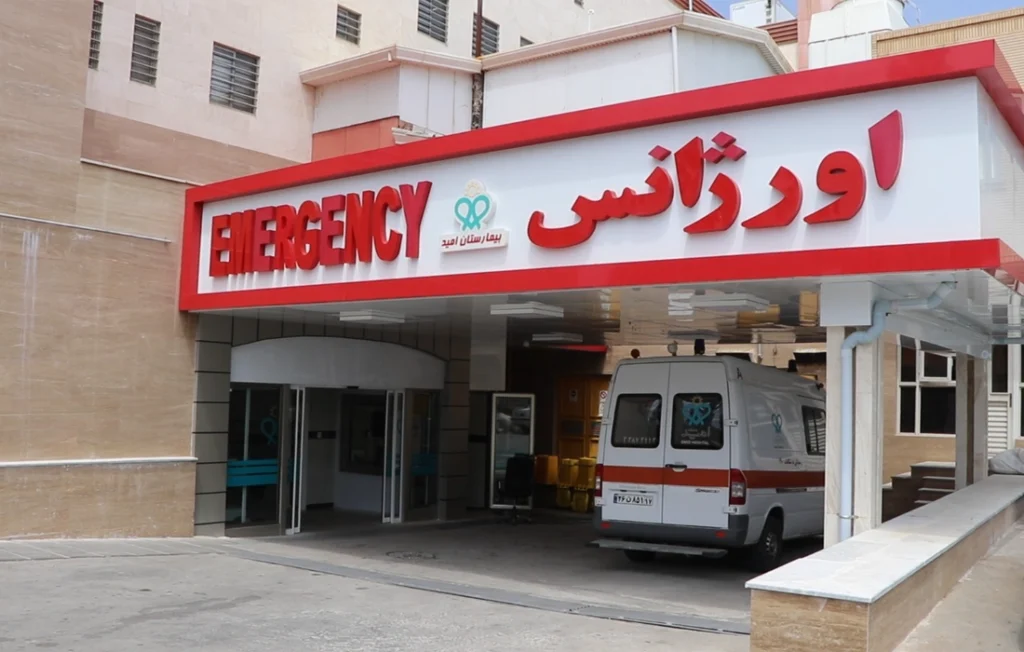
The Emergency Department of Omid Hospital in Urmia is one of the hospital’s key units. Owing to the hospital’s location at a considerable distance from other medical centers, it holds a particularly advantageous position for residents of western Urmia.
What Facilities Does Omid Hospital’s Emergency Department Offer?
The Emergency Department has 9 active beds, a CPR/resuscitation room for cardiopulmonary resuscitation, an operating room, an isolation room, 2 triage beds, an injections and dressing room, an electrocardiography (ECG) room, and an outpatient procedure room. The presence of this treatment infrastructure has placed the unit among the country’s standard emergency departments in evaluations conducted by the Ministry of Health and Medical Education.
It is important to note that Omid Hospital’s Emergency Department functions as a general emergency unit and, in addition to admitting cancer patients, is also able to admit other patients.
According to figures recorded in the hospital information system, Omid Hospital’s Emergency Department admits between 800 and 1,200 patients each month.
Although most patients admitted to Omid Hospital’s Emergency Department are cancer patients who develop complications after chemotherapy or radiotherapy, other patients also visit the department for outpatient procedures, blood pressure control, diabetes management, or dressing changes following orthopedic procedures.
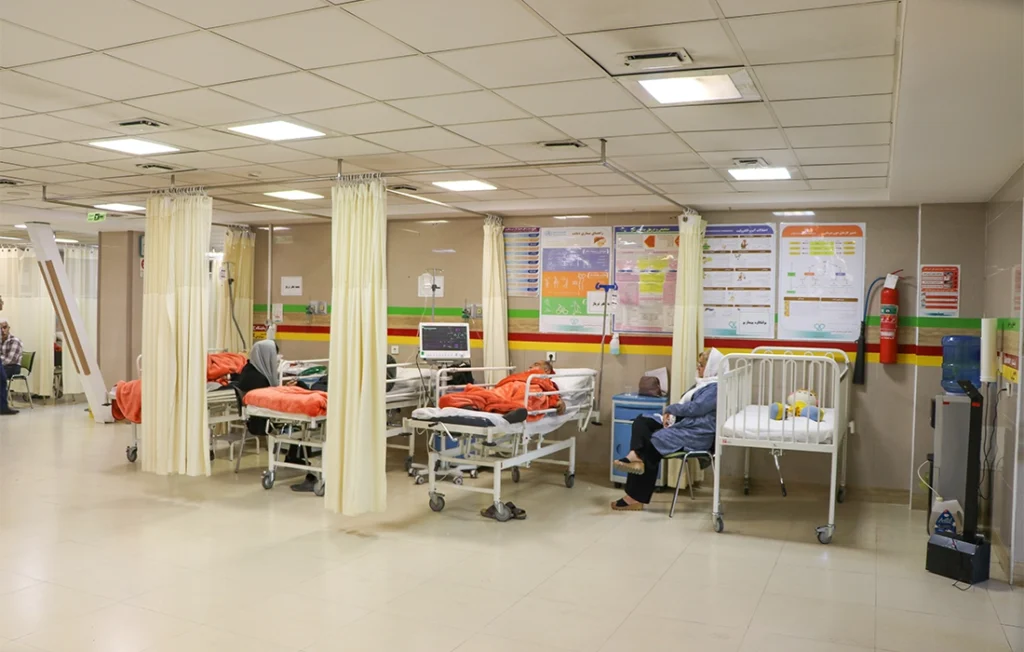
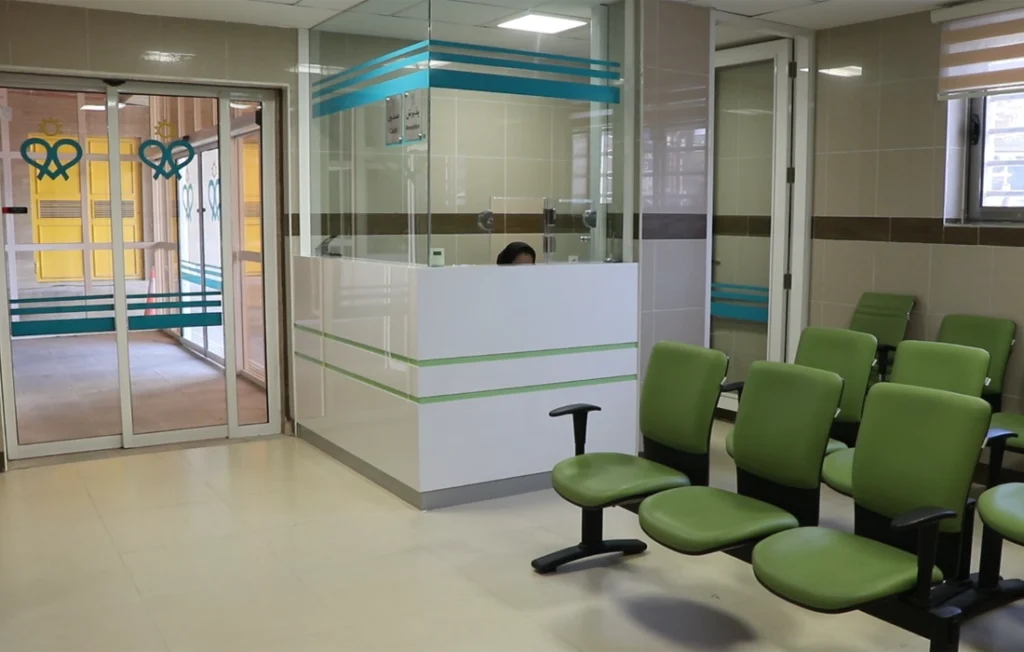
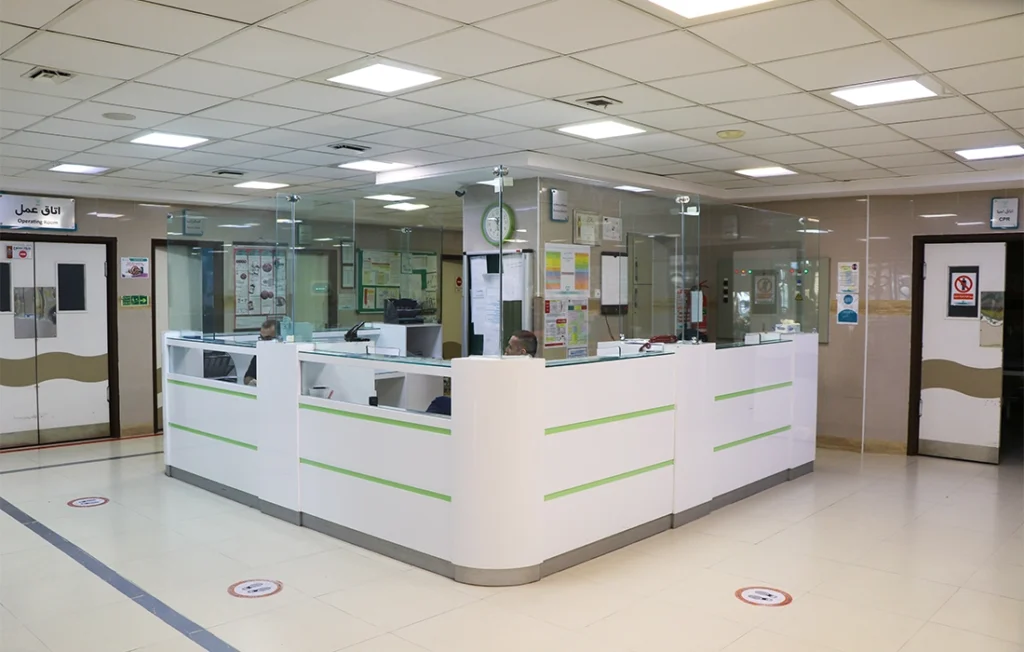
How Many Physicians and Nurses Work in Omid Hospital’s Emergency Department?
Overall, 14 general practitioners and 14 nurses work in Omid Hospital’s Emergency Department. In each shift, the department is staffed by 1 general practitioner, 3 shift nurses, and 2 support staff members, all ready to provide care to patients.
Emergency Department Leadership
- Dr. Mohammad Hosseini Arablou – Head of the Emergency Department
- Dr. Amir Ashayeri – Emergency Bed Manager
- Dr. Sarveh Ghaderi – Coordinator of Emergency Physicians
- Senior Nurse Ruhollah Yavari – Head Nurse of the Emergency Department
Important note: All nurses working in Omid Hospital’s Emergency Department have more than 5 years of nursing experience. This professional background has helped reduce key performance indicators, such as patient disposition time in the emergency department, to 6 hours.
In addition, patient admission time in the triage section and discharge time have both achieved standard scores in evaluations conducted by the Ministry of Health and Medical Education.
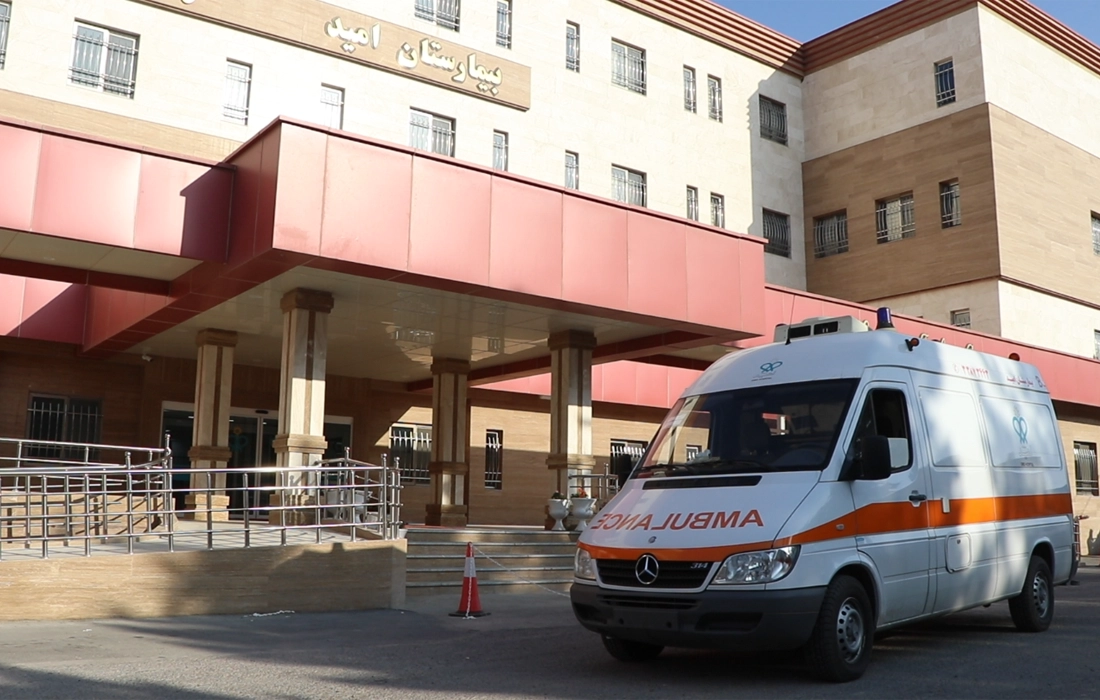
Omid Hospital’s emergency ambulance, which holds an excellent Grade A classification among ambulances of medical centers, is used for patient transfers between hospitals. The equipment and facilities provided in this ambulance make it possible to transport even critically ill patients admitted to the ICU and CCU safely and with confidence.