The Omid Charity Center, as one of the most advanced cancer treatment centers in the northwest of the country, provides a major portion of treatment services to cancer patients, yet the shortage of strategic equipment and the rising costs of treatment have posed a serious challenge to the continuation of its service delivery—a challenge that today, more than ever, is manifested in the urgent need to procure MRI and PET Scan devices.
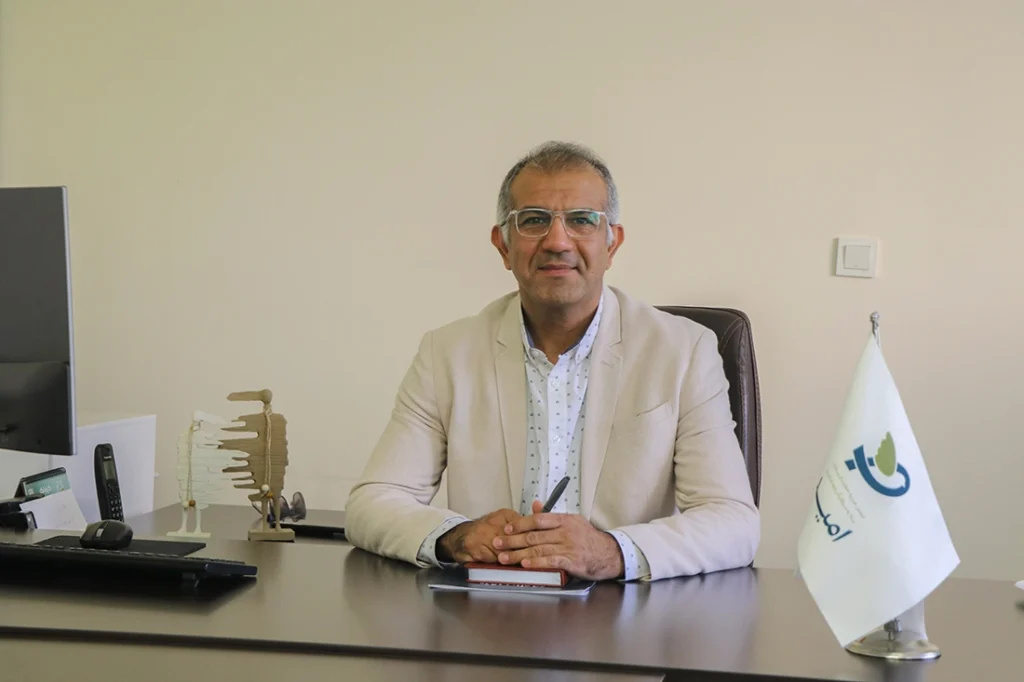
Peyman Ghanizadeh, CEO of the Omid Charity Association, pointing to the breadth of the center’s services, said: Currently, approximately 60 to 70 percent of cancer patients in West Azerbaijan Province are treated at Omid Charity Hospital, affiliated with the Omid Charity Association, and in the year 1404 (2025-2026) alone, around 2,500 new patients have begun the difficult path of fighting cancer at this center.
Stating that there are no precise statistics on the rate of new cancer cases in the province, Ghanizadeh remarked: The Omid Center, as a non-governmental and charitable institution, provides specialized treatment and social work services not only to patients from the province but also to those referred from neighboring provinces.
Last year alone, 233 cancer patients from Kurdistan Province and 287 from East Azerbaijan Province benefited from the specialized treatment and support services of Omid Charity Hospital. In total, nearly 20 billion Tomans in social work and treatment support was provided to patients from these two provinces. However, unfortunately, we are deprived of the presence and support of benefactors from these two provinces.
Pointing to the specialized status of Omid’s radiotherapy department, he added: The Omid Radiotherapy Center is considered one of the most advanced centers in the country, which, based on licenses issued by the Ministry of Health, is qualified to provide IMRT and Stereotactic treatments, and despite economic problems and equipment limitations, the treatment process for patients continues without interruption.
The CEO of the Omid Charity Association added: The Omid Residential Center, with 30 suites, hosts around 120 patients and their companions daily, and last year, over 5,000 patients and companions benefited from the accommodation, social work, psychological, and support services of this center.
He noted: In total, over 73,000 patients have used the radiotherapy and chemotherapy services to date.
Ghanizadeh stated that the cost of each radiotherapy course, consisting of 25 sessions, ranges between 400 to 600 million Tomans, and said: Despite these costs and the lack of resources for replacing the devices, all patients receive radiotherapy free of charge at the Omid Center.
He continued: Some medications required by patients cost up to 220 million Tomans per course, but patients in deciles one to three are covered free of charge, and for other deciles, various forms of support are considered based on their economic situation and household head status.
The CEO of the Omid Charity Association stated: A major part of the center’s services is funded through public donations, and the income from the hospital’s general departments is also spent on the treatment of cancer patients at first-class charitable rates. In fact, patients visiting Omid Charity Hospital also support cancer patients while undergoing their general treatments.
Pointing to the center’s support services, he added: Last year, over 230 billion Tomans were spent on medication, surgery, hospitalization, and accommodation for patients.
Referring to the center’s financial challenges, Ghanizadeh said: The Omid Charity Hospital’s claims from insurance companies for the year 1404 (2025-2026) have still not been collected, and we currently have 340 billion Tomans in insurance receivables. This means that the insurance companies have not yet paid for the services rendered.
The CEO of the Omid Charity Association, pointing to the equipment needs of this center, said: Today, the most critical need of the center is procuring MRI and PET Scan devices; the lack of an MRI device has created waiting lists for patients at other centers, and patients requiring a PET Scan are forced to travel to other provinces for this service, incurring high costs and enduring long waits.
He stated that the latest price of a PET Scan device is around 3 million Euros and an MRI device is about 1.4 million Euros, adding: With the removal of the preferential exchange rate, procuring this equipment is beyond the center’s capacity and is impossible without the participation of benefactors.
In closing, the CEO of the Omid Charity Association appealed to benefactors across the country and from neighboring regions to look beyond geographical borders and to participate more in providing cancer treatment infrastructure so that the treatment process for patients can continue without interruption.